A Taste of the Caribbean Through Jamaican Food
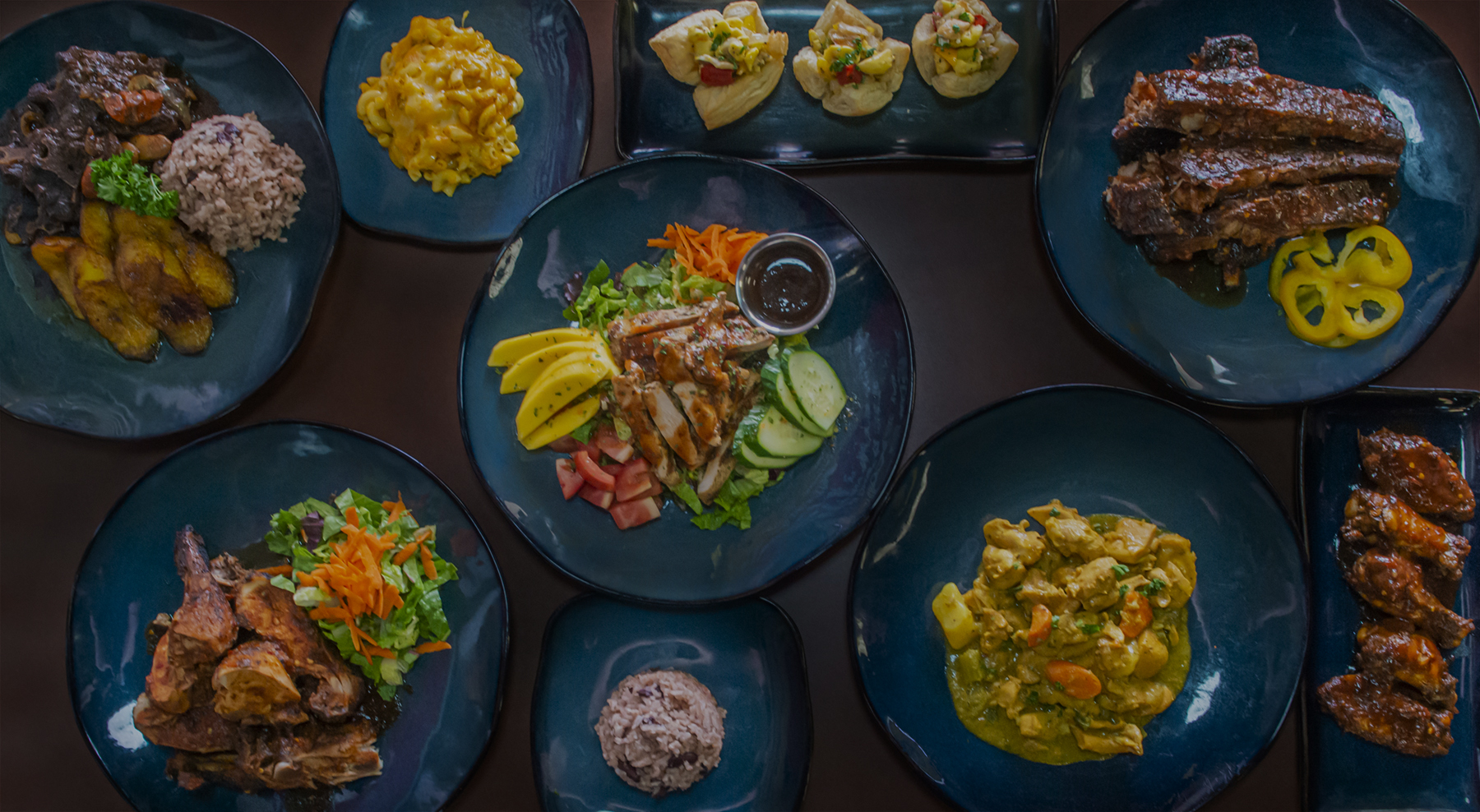

Jamaican food has a way of announcing itself before it reaches the table. You smell pimento smoke from jerk pans set over cut-down oil drums. You catch the sweetness of ripe plantain hitting hot oil. You notice thyme, scallion, Scotch bonnet, allspice, ginger, and garlic moving through kitchens in combinations that feel familiar and surprising at the same time. Even before the first bite, the cuisine makes a clear promise: this is food with memory, force, and personality.
That promise matters because Jamaican cooking is more than a collection of popular dishes. It is one of the clearest culinary expressions of the Caribbean’s layered history. Indigenous ingredients, African technique, European colonial influence, Indian curries, Chinese migrations, and local farming traditions all show up on the plate. Yet the result does not feel patched together. It feels singular. That is one reason jamaican food travels so well. Another is that it understands balance. Heat is rarely just heat. Sweetness is rarely just sweetness. Salt, acid, smoke, spice, and starch all hold each other in place.
Anyone who has spent time around a serious Jamaican cook learns quickly that the food rewards patience. A proper curry develops over time. Rice and peas are never an afterthought. Oxtail needs low, steady heat and enough time for the collagen to turn silky. Even a quick roadside lunch often carries the flavor of overnight marinating, slow simmering, or seasoning built in layers. That depth is what turns first-time curiosity into loyalty.
Why Jamaican food feels bigger than an island
Jamaica is not a large country, but its food has an outsize presence. Part of that comes from the diaspora. London, Toronto, New York, Miami, and many other cities have strong Jamaican communities, and with them come bakeries, cookshops, jerk centers, and family-run restaurants that keep culinary traditions alive while adapting to local conditions. Part of it comes from the cuisine itself. Jamaican dishes tend to be vivid and immediately memorable. People remember the first properly charred jerk chicken they ate. They remember the aroma of beef patties warming in a bakery case. They remember the first time they tasted ackee and realized that a dish so delicate could sit beside something as assertive as saltfish and feel perfectly balanced.
The cuisine also carries a particular kind of hospitality. A Jamaican meal often aims to satisfy completely. Portions can be generous. Side dishes matter. Gravies matter. A lunch plate is expected to carry you. That practical generosity has roots in working lives, family kitchens, market rhythms, and the need to make ingredients count. It also makes the food feel deeply grounded. These are dishes built to nourish, not merely to impress.
Jerk, and the art of controlled fire
If one dish has become shorthand for Jamaican cooking abroad, it is jerk. That fame is deserved, though the global version can flatten what makes it special. Real jerk is not simply meat covered in something spicy. It is a method, a flavor structure, and in many places a craft passed from one generation to the next.
The seasoning usually leans on allspice, known locally as pimento, along with Scotch bonnet pepper, thyme, scallion, ginger, garlic, salt, and often brown sugar or other balancing sweetness. The exact ratio changes from cook to cook. Some push the allspice hard. Others prefer more fresh green aromatics. Some make it almost paste-like. Others leave more texture. What matters is that the seasoning penetrates the meat and that the cooking method adds smoke, char, and a little bitterness around the edges.
Traditional jerk cooking is https://landenumsv649.meridiannest.com/posts/the-irresistible-appeal-of-jamaican-food-classics often done over pimento wood. That detail is not decorative. It gives the meat a scent that is difficult to fake with bottled sauces or indoor ovens. The best jerk chicken has skin that catches and darkens without turning acrid, flesh that stays moist, and heat that builds instead of punching all at once. Jerk pork, when done right, goes even deeper. The fat renders into the seasoning, and every slice carries smoke in a way chicken cannot quite match.
A common mistake in home kitchens is trying to force the process too fast. High heat alone does not create good jerk. Without enough marinating time and careful control of fire, the outside burns before the inside takes on flavor. Another mistake is using heat without fragrance. Scotch bonnet should be present, but it should sit inside a richer profile, not bully it.
Ackee and saltfish, a national dish with subtlety
There are flashier dishes than ackee and saltfish, but few say more about Jamaica. Ackee, when properly prepared, has a soft, almost buttery texture that many first-timers compare loosely to scrambled eggs, though that description only goes so far. Saltfish, usually cod that has been preserved and then soaked to remove excess salt, brings chew, savoriness, and backbone. Add onions, tomatoes, thyme, scallion, black pepper, and sometimes Scotch bonnet, and the dish lands somewhere between hearty and restrained.
Its power lies in contrast. Ackee is gentle. Saltfish is assertive. The seasonings brighten without overwhelming. Served with fried dumplings, boiled green bananas, roasted breadfruit, or hard dough bread, it becomes a meal that can carry a morning or anchor a late brunch. In Jamaica, it often appears in contexts that feel ordinary and festive at once. That matters. National dishes are not only symbols. They are habits.
There is also judgment involved in making it well. Ackee must be handled carefully, and only the properly ripened fruit is safe to eat. In diaspora kitchens where canned ackee is common, the challenge shifts. The cook has to preserve the fruit’s shape and tenderness rather than stirring it to pieces. Too much mixing turns the dish mushy. Too little seasoning leaves it flat. This is one of those meals that seems simple until you watch someone with experience make it look effortless.
Rice and peas, the quiet center of the table
Visitors sometimes underestimate rice and peas because it sits alongside more dramatic mains. That is a mistake. In Jamaican cooking, rice and peas is not filler. It is architecture. It absorbs gravies, softens heat, and carries the perfume of coconut milk, thyme, scallion, and often pimento berries. The “peas” are typically kidney beans or gungo peas, depending on the meal and the season.
Good rice and peas should be separate, not wet, but not dry either. The coconut should read clearly without turning the pot sweet. The herbs should perfume the rice without leaving it grassy. Texture matters as much as flavor. When the grains hold their shape and the beans stay tender but intact, the dish feels composed. When it is rushed, you taste it immediately.
This is where experience shows. Many excellent Jamaican cooks can judge liquid almost by instinct, adjusting for the age of the rice, the moisture in the beans, or the heat of the stove. It is not unusual to see small variations from one household to another. Some prefer more coconut richness, others a lighter hand. Those differences are not flaws. They are signatures.
The slow pleasures of braising and stewing
If jerk is the cuisine’s public face, braised and stewed dishes are its emotional center. Brown stew chicken, curry goat, oxtail, and stew peas all reveal the patient side of jamaican food. They also reveal its deep understanding of how to build flavor economically.
Brown stew chicken starts with browning sugar to deepen color and savor before the seasoned chicken simmers with onions, peppers, tomatoes, thyme, and other aromatics. When done well, the gravy tastes rounded, slightly sweet at the edges, and rich without being heavy. It is one of those dishes that feels home-like in the most immediate way.
Curry goat often surprises people who expect a generic curry profile. Jamaican curry powder has its own character, often brighter with turmeric and layered with local preferences in spice blending. The goat needs enough time for toughness to yield, but not so much that the meat dries out or disintegrates completely. The best versions hold a little chew and let the curry soak into every crevice. Potatoes sometimes join the pot, taking on the sauce and stretching the meal, which is both practical and delicious.
Oxtail has become so popular internationally that prices have risen sharply, a reality many long-time cooks mention with some frustration. It was once a classic example of turning a tougher, less glamorous cut into something luxurious through technique. The dish still does that, but at a cost many families now feel. When braised with broad beans, herbs, and butter-soft gravy, oxtail remains one of the great comfort dishes of the region. Yet this is also a case where food trends affect tradition. Popularity can elevate a dish and make it harder for the communities that built it to enjoy it regularly.
Stew peas offers another kind of comfort, one tied to Saturday cooking in many homes. Kidney beans, salted meat or pig’s tail in some versions, coconut milk, herbs, and spinners or dumplings create a pot that is thick, savory, and deeply sustaining. It is not always the first dish tourists seek out, but it is often the one cooks miss most when they live away from home.
Patties, coco bread, and the genius of handheld food
No conversation about Jamaican cuisine is complete without the patty. It is portable, affordable, and far more nuanced than its fast-food reputation suggests. The pastry is usually tinted yellow with turmeric or curry, short and flaky but sturdy enough to hold the filling. Inside, the classic beef version should be moist and seasoned with enough pepper and herbs to stay lively, not greasy or muddy. Good patties walk a narrow line. Too dry, and the filling crumbles away from the pastry. Too wet, and the crust turns weak.
Chicken, vegetable, lobster, and ackee fillings all exist, but the best shops usually master the beef patty first. Warm coco bread alongside it adds a soft, slightly sweet contrast, and the combination has fueled students, workers, travelers, and late-night snackers for decades. It is one of those foods that can be eaten casually but carries real craft when done properly.
A bakery case in a Jamaican neighborhood tells you a lot about local taste. Patties might sit beside spice buns, gizzadas, bulla cakes, and hard dough bread. You start to see how the cuisine moves across the day, from breakfast to street snack to dinner table. That continuity is part of its appeal.
Ground provisions, festival, and the starches that make the meal
One of the easiest ways to misunderstand Caribbean cooking is to focus only on the protein. Jamaican food depends just as much on what sits beside it. Green banana, yam, cassava, sweet potato, breadfruit, dumplings, boiled plantain, fried plantain, bammy, and festival all serve different purposes. They are not interchangeable.
Festival, lightly sweet and fried, is a natural partner to fried fish and jerk. It cushions heat and adds textural contrast. Bammy, a cassava flatbread with indigenous roots, is particularly good with escovitch fish because it can absorb the sharp, peppery vinegar dressing without falling apart. Breadfruit, roasted until smoky and soft, offers one of the best examples of how a starch can carry a meal with almost no embellishment. A piece of roast breadfruit with ackee and saltfish is as satisfying as many more elaborate plates.
Ground provisions also tell a story about agriculture, seasonality, and older eating patterns that valued hearty ingredients capable of feeding large households. In many kitchens, these foods still communicate care and effort. Boiling several provisions for breakfast is not difficult in a technical sense, but it does require planning, time, and attention.
Fish, pepper, and the sharp edge of the sea
Being an island shapes the palate. Fish appears in many forms, but escovitch fish remains one of the most distinctive. Usually a whole fried fish topped or dressed with a hot pickled mixture of carrots, onions, Scotch bonnet, and vinegar, it lands with brightness and force. The fish itself should be crisp outside and moist inside. The dressing should cut through the richness without feeling harsh.
This is a dish where balance is everything. Too much vinegar and the fish disappears beneath acidity. Too little, and the escovitch loses its point. When the ratio is right, every bite feels awake. It is often served with bammy or festival for good reason. Those sides do more than fill the plate. They moderate the dish and pull it into harmony.
Pepper shrimp, though less universally known outside Jamaica, shows another side of the cuisine’s relationship to heat. Sold in bags or cups and seasoned aggressively, it is not a gentle introduction. Yet even there, the best versions are not crude. The heat sits alongside shellfish sweetness and concentrated spice.
What makes the seasoning unmistakably Jamaican
Many cuisines use thyme, garlic, onion, and chile. What makes Jamaican seasoning distinctive is the way certain ingredients recur and interact. Pimento is central. Scotch bonnet has a floral fruitiness that differs from many other hot peppers. Scallion brings freshness. Ginger often sharpens the edges. Browning sauce, when used carefully, adds color and a touch of bitterness. Coconut milk softens and rounds. Fresh herbs matter.
A practical way to understand the cuisine is to pay attention to these recurring patterns:
- Smoke and spice, as in jerk
- Salt and softness, as in ackee with saltfish
- Coconut and herb perfume, as in rice and peas
- Vinegar brightness against fried foods, as in escovitch
- Long-cooked gravies that soak into starches and rice
Those patterns explain why the food feels coherent even when the dishes differ widely. They also help home cooks avoid random seasoning choices that might taste fine but miss the cuisine’s internal logic.
The role of history on the plate
Jamaican food cannot be separated from the island’s history of colonization, enslavement, migration, resistance, and adaptation. African cooking knowledge deeply shaped how ingredients were seasoned, preserved, stewed, and paired with starches. British colonial influence appears in baked goods and certain dining structures. Indian indentured laborers contributed curries and spice usage that became distinctly Jamaican over time. Chinese and Middle Eastern communities also influenced local eating. The result is a cuisine that reflects hardship and exchange without losing its own voice.
That history shows up in small details, not just major dishes. It shows up in how leftover ingredients become tomorrow’s breakfast. It shows up in preserved fish, in the use of cheaper cuts elevated by time and seasoning, in market produce turned into sustaining meals. It shows up in recipes that are less about rigid measurements than about learned judgment.
Food historians often warn against romanticizing “fusion” without acknowledging power and displacement. That warning is useful here. Jamaican cuisine is not a trendy blend created for novelty. It is a lived cuisine formed under pressure, refined in households and communities over generations. Its brilliance lies partly in that realism.
Eating Jamaican food outside Jamaica
The experience of jamaican food abroad can vary widely. Some restaurants cook for a local Jamaican clientele and keep flavors bold, portions large, and menus broad. Others soften the food for unfamiliar diners, dialing down heat or limiting the selection to jerk chicken and patties. Neither approach is automatically wrong, but they produce different experiences.
For diners trying to find the real range of the cuisine, it helps to look beyond the obvious. If a place offers stew peas, mannish water, callaloo, fried dumpling, or a rotating selection of weekend specials, that usually signals a kitchen cooking from deeper knowledge. If the rice and peas taste like an afterthought, the rest of the menu may follow. If the gravy on the oxtail is glossy but thin and sweet, it may be aimed more at visual appeal than depth.
When possible, ask what is popular with regulars. In many strong Caribbean spots, the answer tells you more than online marketing ever will.
A few ways to appreciate the cuisine more deeply
For people new to Jamaican cooking, the smartest approach is to pay attention to context rather than chasing only famous dishes.
- Try one grilled dish, one braised dish, and one breakfast dish
- Taste the sides on purpose, not as decoration
- Notice how Scotch bonnet behaves differently across preparations
- Compare a bakery item with a full lunch plate
- If you cook at home, build flavor slowly instead of adding more heat
That kind of tasting reveals the cuisine’s range. You begin to see that jerk is only one chapter, that breakfast can be as revealing as dinner, and that side dishes often hold the key to why the plate works.
Why the food stays with people
Some cuisines impress in the moment and fade in memory. Jamaican food tends to do the opposite. It may strike you first with pepper, smoke, or richness, but what lingers is the structure beneath those bold notes. The softness of ackee against saltfish. The calm center of rice and peas beside spicy chicken. The way vinegar sharpens fried fish. The comfort of a slow gravy over plain white rice. The contrast between crisp pastry and moist patty filling. These combinations stay vivid because they are composed with care.
That is the real taste of the Caribbean through Jamaican food. It is not just tropical color or culinary heat. It is discipline, inheritance, adaptation, and pleasure working together on the plate. The cuisine can be loud when it wants to be, but its lasting strength lies in judgment. Someone knew when to stop the grill, when to pull the braise, when to add the thyme, when to let the Scotch bonnet speak and when to hold it back. You can taste that experience. And once you do, Jamaican cooking stops being a category and becomes something more personal: a food tradition you recognize instantly, crave specifically, and remember long after the meal is over.
Reggae Pot Jamaican Grill
7562 S University Blvd C, Centennial, CO 80122
(303) 997-5623
FAQ About jamaican food
What is the best Jamaican food to try in Centennial?
The best choice depends on your preferences. Reggae Pot Jamaican Grill offers jerk chicken, curry goat, oxtail, and escovitch snapper, along with sides such as rice and peas and fried plantains. Ask the restaurant about current availability and spice levels before ordering.
Is Jamaican food very spicy in Centennial?
Heat varies by dish and preparation. Jerk dishes can be hot, while some stews and sides are milder. Tell the restaurant your preferred heat level and ask which options suit you.
What is typically on a Jamaican menu?
Common choices include jerk chicken, curries, oxtail, fish, patties, rice and peas, and plantains. Reggae Pot also lists ackee and saltfish and vegetable dishes. Menus and availability can change, so confirm your choices when ordering.